Packing for a walking holiday can feel a bit overwhelming.
Suddenly you’re asking yourself:
- Do I need special gear?
- How much is too much?
- What if I forget something important?
Take a breath, you really don’t need to overcomplicate or overthink it. Below is a simple but realistic guide to help you pack with confidence (and avoid carrying half your house on your back).
First rule: less is more
This is the biggest mistake people make. You don’t need a different outfit for every day. You don’t need “just in case” items for every possible scenario. You’ll be walking, moving, and often re-wearing things, and that’s completely normal.
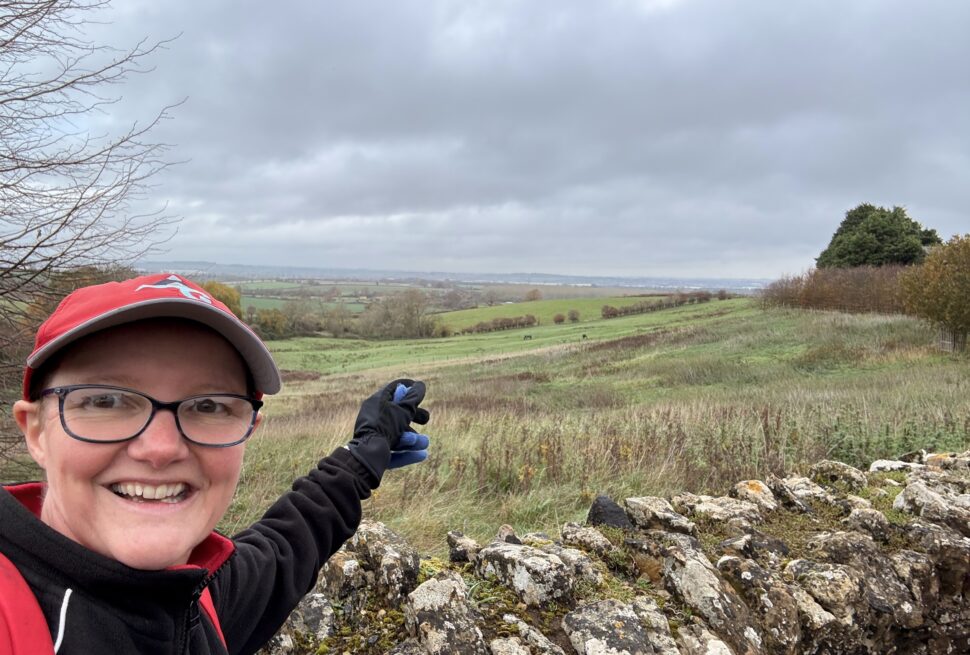
There is a well known phrase “people pack their fears” – but on most of our trips I guarantee that you will be able to find a shop if you forgot something. A few weeks ago, one of our ladies had issues with her walking shoes. About five miles into the hike the soul literally fell apart (and this is not the first time it has happened whilst on a trip). On this occasion, we were in Stow on the Wold in the Cotswolds, so she found a shop and purchased new shoes… simples. But in Slovakia, the hiker made do with duct tape and got through the trip (then bought new shoes when she got home). On both occasions, they made good stories to tell their families and
The essentials (your non-negotiables)
These are the items you’ll use every single day:
✔ Comfortable walking boots or shoes/trail runners (well worn in, no exceptions!) When shopping for shoes, please do not be influenced by other people. All feet are different and what works for one person will not necessarily work for another. The best way of finding the perfect shoe / boot is to go along to an outdoor shop and try some on. Walking around the shop with some weight on your back will also help. Some people swear that they need boots for “ankle support” and I used to have the same opinion. But, after many years of hiking, I found that I love trail runners and with all the walking I do, I now have stronger ankle muscles.
✔ Good socks (this matters more than you think) – socks are essential. The key to a good walking sock is breathability. If a sock does not breathe well, then you feet sweat and this causes blisters. On bigger mileage days, I love toe socks (the Decathlon finger socks work for me), but again, they are not for everyone. Regular socks I swear by the Bridgedale socks and for waterproof socks I like the Dexshell ones.
✔ Lightweight, breathable clothing. Layers works best. Again, it’s that word “breathable”. If you are on a multi-day trip, then look at fabrics such as merino wool (it doesn’t smell), or technical material.
✔ Waterproof jacket – I am going to mention the same word here…. breathable. Make sure your jacket has pit zips to let the airflow. I also am a fan of the poncho, as you can easily ventilate a poncho and it covers your backpack. I would recommend the 3FUL gear poncho as they have full arms and a belt, which is handy in windy weather.
✔ Small day rucksack – Ideally you are looking for a minimum of 20 litres. Osprey and Atom packs are good, but they are not cheap. If you are just starting out then I would recommend a visit to Decathlon as they have some fantastic packs. The key features that I would look out for are load lifters, side water bottle holders (or bladder holder if you prefer this option) and some quick mesh / elastic on the front of the pack to store a jumper or jacket quickly.
✔ Reusable water bottle – I know some people love hydration bladder, but you would not believe how many people join me on a trip and the bladder has broken, or something happened to the valve and it has leaked everywhere. They are difficult to clean and they often go mouldy over a few weeks if they are not dried properly (some people keep them in the freezer!). For me, I like a good, old fashioned water bottle that I can re-use over and over. I also have a flask/pod for hot drinks on the trail.
✔ Sun protection (yes, even in the UK!) and lip balm – no explanation needed!
If you’ve got these sorted, you’re already winning.
Clothing: keep it simple
You don’t need loads—just the right things:
- 2–3 walking tops
- 1–2 pairs of walking trousers/shorts
- A warm layer (fleece or similar)
- Casual clothes for the evening
- Sleepwear
Quick tip: choose items you can mix and match easily.
The “you’ll thank yourself later” items
These are small but mighty:
✔ Plasters (some people love Compeed, but I am not a fan) and a basic first aid kit.
✔ Lip balm and moisturiser
✔ A few snacks for the trail
✔ Power bank for your phone (don’t forget the cable)
✔ Lightweight hat or buff
✔ Walking poles (if you use them).
None of these take up much space, but they can make a big difference.
What you probably don’t need
This is where you can save yourself from overpacking:
✖ Too many clothes
✖ Heavy books (unless you really love them!)
✖ “Just in case” outfits you won’t wear
✖ Full makeup bags or bulky items
Be honest with yourself, you’ll thank yourself when you’re not lugging it around.
A quick word on luggage transfers
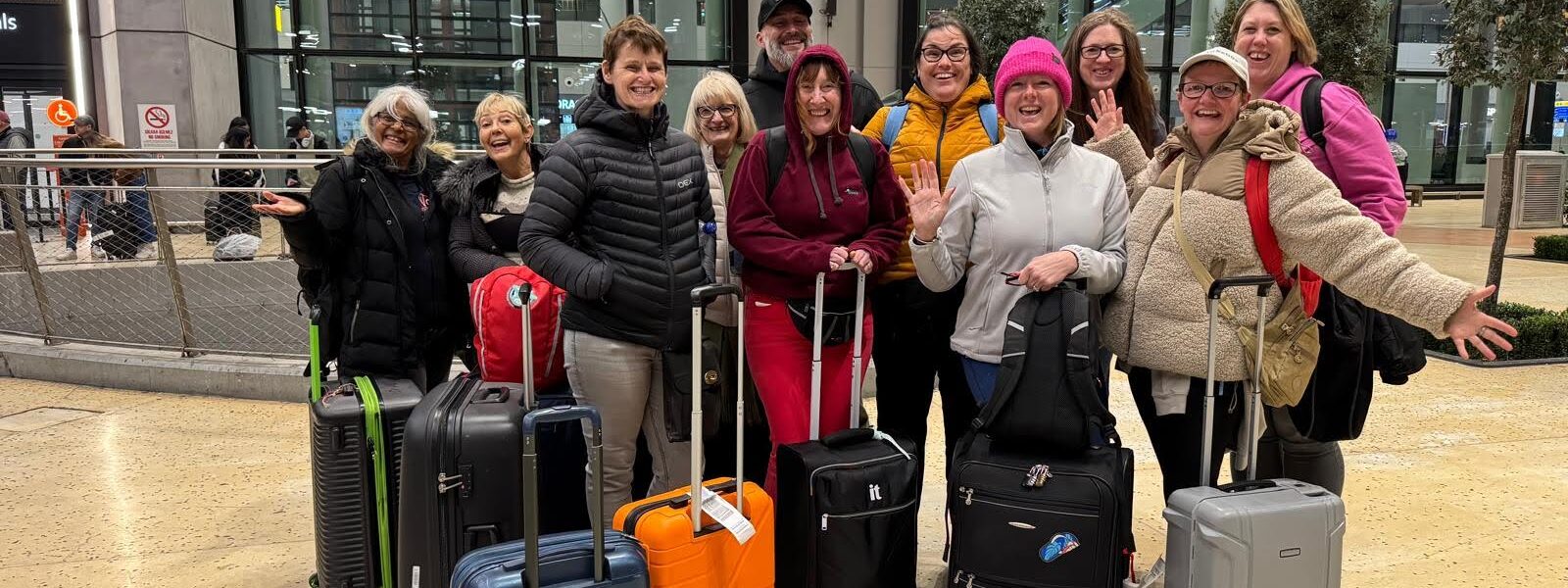
On many trips, your main bag is moved for you each day. Most of our luggage transfers allow up to 20kg, but some are only 15kg (so look on the trip plan for more detail).
Luggage transfer means you only carry what you need while walking, usually just your day pack.
So don’t panic about carrying everything on your back.
Final thought
You don’t need to be perfectly prepared, you just need to be prepared enough. Most things can be adapted, borrowed, or worked around, but confidence comes from knowing you’ve got the basics covered.
And remember…
It’s not about having the perfect kit.
It’s about being out there, enjoying the experience, and making memories along the way.
If you’re ever unsure, just ask.
I’d always rather answer a packing question than see you turn up with five jumpers and no waterproof 😉